If you’re sitting on a sizable crypto portfolio—say $50,000 or more—and you’re eyeing the world of crypto-backed loans, there’s an important lesson to keep front and center: it’s not just about how much you borrow; it’s about how your loan is structured. This might seem counterintuitive at first, especially when loan size often dominates conversations, but when dealing with volatile assets, the details in loan structure can make a world of difference.
In this post, we’ll dive into why loan structure often outweighs loan size in crypto lending. We’ll explore the strategic importance of terms like interest rates, repayment schedules, collateral ratios, and risk management. If you’ve been using loans just to get liquidity or pondering bigger borrow amounts, buckle up—understanding structure is what will truly protect your assets and optimize your financial position.
Loan Strategy in the Context of Crypto Markets
Crypto markets don’t operate like traditional financial markets. They’re fast-moving and, frankly, unpredictable. When you leverage crypto holdings, the risk of liquidation due to sudden value dips looms large, so simply focusing on “borrowing more” without weighing the loan terms often leads to unnecessary exposure.
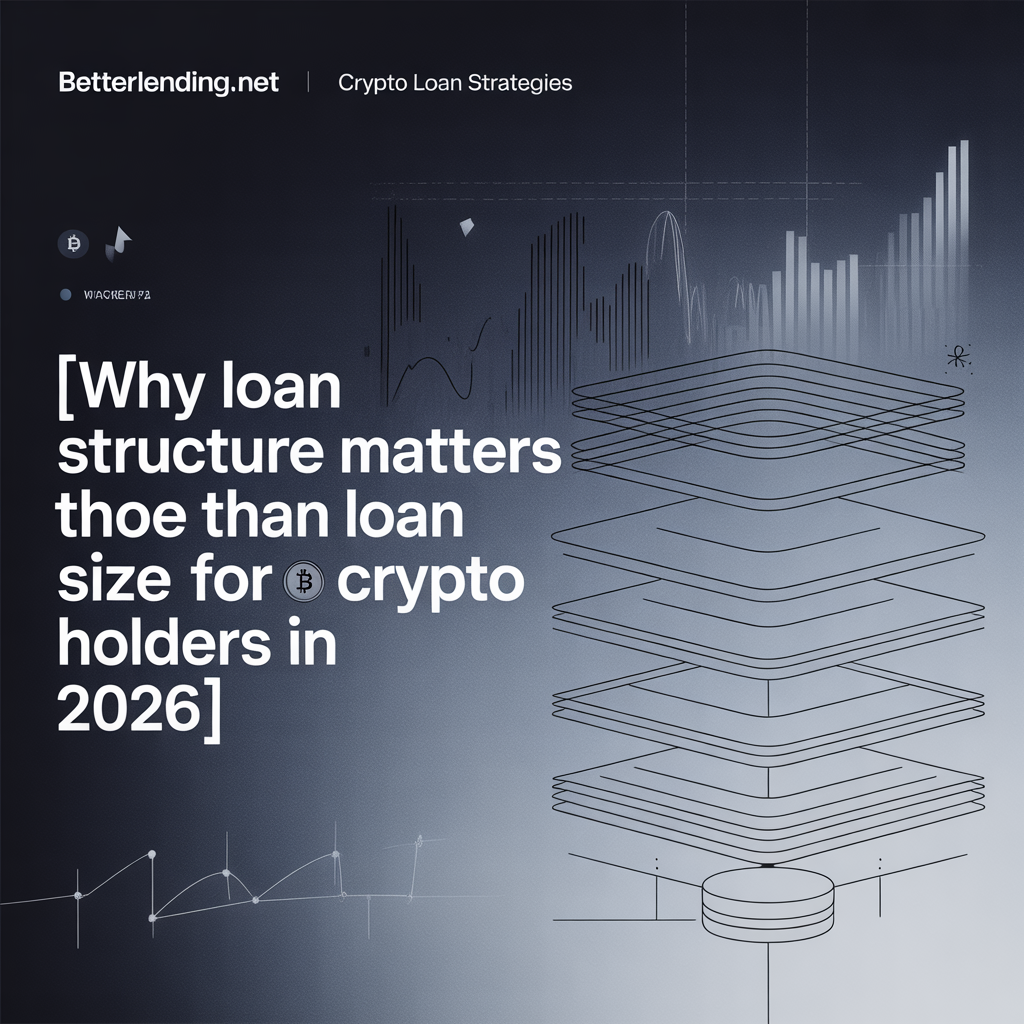
Think of loan structure as the architecture of your borrowing. It dictates flexibility, resilience, and cost efficiency. For example, two individuals each borrowing $50K against crypto might experience vastly different outcomes depending on their loan-to-value (LTV) ratios, collateral liquidation terms, or interest compounding methods. The structure influences your ability to withstand market swings without losing your underlying assets.
Breaking Down Key Elements of Loan Structure
Understanding loan structure starts with knowing its main building blocks. The first is the loan-to-value ratio—the percentage of your crypto holding’s value that you can borrow. A conservative LTV offers a bigger safety margin against margin calls or forced liquidation, crucial in crypto’s volatile environment.
Next up is the interest rate and how it accrues. Some loans charge simple interest, while others might compound, impacting your repayment over time differently. Then there’s the term length and repayment schedule: are you paying monthly installments, lump sums at maturity, or can you make flexible payments? Each choice affects cash flow and risk exposure.
Another subtle but important factor is collateral eligibility and liquidation thresholds. Knowing exactly when and how your collateral might be liquidated helps you craft a strategy to minimize losses and avoid surprise margin calls.
Applying Scenario-Based Thinking to Loan Decisions
Deciding on your loan structure benefits hugely from imagining real-world “what-if” scenarios. For example, what happens if Bitcoin drops 20% overnight? How does your loan react? Will you have a grace period to add collateral or repay, or does the lender initiate liquidation immediately?
Considering this upfront can inform decisions like choosing a loan with a lower LTV but higher interest versus a higher LTV with more flexible liquidation terms. Sometimes, paying slightly more in interest for better structural protections can be far more cost-effective than risking liquidation of your core holdings.
It also helps to think in terms of cash flow needs. Perhaps a smaller loan with staggered repayment aligns better with your income streams, reducing risk of default or forced sales during downturns.
How Different Loan Structures Compare in Practice
Let’s look at two hypothetical loans of equal $50,000 size but differing in structure. Loan A offers a high LTV of 75%, a floating interest rate that resets monthly, and quick liquidation triggers. Loan B provides a more conservative 50% LTV, fixed interest, and a built-in grace period for collateral top-ups. Read 10% vs 50% LTV : A Real Comparison of Outcomes
In stable or bullish markets, Loan A might seem enticing because you get more upfront liquidity and potentially lower immediate interest costs. However, if volatility hits, the risk of rapid liquidation is a real threat. Loan B might cost a bit more in interest, but in a downturn, the borrower benefits from the safety margin and time to manage their position.
This simple comparison shows that even with the same loan size, the structure often dictates sustainability and peace of mind under pressure.
Navigating Your Lending Options at BetterLending
If you want to explore how varied loan structures can work for your portfolio, check out BetterLending’s guides on managing collateral risk and understanding interest models. Our resources dive deeper into individual factors like flexible repayments and how different collateral types influence terms.
By familiarizing yourself with these concepts, you equip yourself to tailor a loan structure that fits your strategy rather than chasing just bigger loan amounts. Feel free to explore our comparison tool as well to run personalized scenarios based on your crypto holdings and risk tolerance.
The Key Takeaway: Structure First, Size Second
For crypto holders with substantial positions, the wisdom to borrow wisely extends far beyond the headline number. Loan structure—encompassing LTV, interest dynamics, repayment flexibility, and liquidation safeguards—is your main line of defense against volatility and unexpected shifts.
Prioritizing structure ensures you maintain control over your portfolio and avoid costly liquidations, even when markets turn choppy. In the end, a well-tailored loan that fits your situation will serve your long-term financial health better than simply maximizing loan size.
Next Steps: Evaluating Your Current Loan Setup
Take a moment to review your existing crypto-backed loans or think critically about what you want moving forward: Are you paying too much for flexibility? Or is your loan’s aggressive LTV putting your crypto at risk? Understanding these nuances empowers better borrowing decisions and solidifies your control in a volatile market.
Stay tuned next week—we’ll unpack strategies for optimizing crypto loan repayment schedules to reduce costs and amplify your financial agility. Until then, remember that the smartest borrowing begins with asking the right questions about loan structure. Visit Betterlending.net today for a structured crypto loan
Frequently Asked Questions
Why is loan-to-value ratio more important than loan size?
A loan’s LTV determines how much equity buffer you have before liquidation risk kicks in. Even a smaller loan at a high LTV can be riskier than a larger loan at a conservative LTV. It’s about protecting your assets during dips, not just the cash you receive upfront.
Can flexible repayment schedules impact loan risk?
Yes. Flexible repayment allows you to adjust cash flow and reduce default risk. Fixed schedules might mean less flexibility during market stress, increasing chances of forced liquidation or financial strain.
How do interest rates relate to loan structure?
Interest rates are a key part of structure because their calculation method and frequency impact your overall cost. A low fixed rate might cost more over time than a variable rate if you repay quickly, but with volatile crypto, predictable costs can help manage risk.
Is bigger loan size always better for liquidity?
No. Bigger loans increase your debt exposure and liquidation risk, especially if taken at aggressive terms. Properly structured smaller loans can offer safer liquidity with better risk management.
What should I consider regarding collateral liquidation?
Understand the lender’s liquidation triggers and timelines. Some loans liquidate collateral immediately after breaching LTV limits, while others allow a grace period. Choosing loans with more borrower-friendly liquidation terms reduces the chance of sudden asset loss.